


In the fast-paced world of construction technology, many believe that buying a high-end steel framing system / machine is enough to guarantee success. But here’s the truth: owning the best equipment doesn’t automatically translate into efficiency, profitability, or growth. In the light gauge steel (LGSF) industry, the companies that win are not just the ones who own the machines—but the ones who know how to plan, optimize, and execute the entire production process from start to finish.
This article explores why strategic production planning is critical in LGSF projects and how companies can maximize their investment in cold formed steel machinery. If you’re in the steel construction business, especially modular and prefabricated buildings, this might be the most important insight you read today.
1. The Misconception: The Machine Does It All
Let’s address the elephant in the room:
Many newcomers to the Light Gauge Steel Framing System (Steel Framing Machine – LGSF) industry enter the market with a common misconception — that purchasing a light gauge steel framing system / machine is the golden ticket to instant success. They imagine that once the machine is delivered, installed, and powered on, it will magically start producing walls, trusses, joists, and other building components on demand, almost like pressing a button and watching profits roll in.
But here’s the truth: the reality is far more complex and nuanced.
Even the most cutting-edge cold formed steel machines, equipped with high-speed rollforming systems, automated punching units, and precision cutting technology, represent only a single element within a much broader and interconnected ecosystem. A machine — no matter how powerful or advanced — cannot operate in a vacuum and deliver consistent, high-quality results on its own.
Why? Because machinery alone doesn’t build buildings — systems do.
To unlock the true value of your steel framing system, you need much more than just hardware. You need accurate input data from compatible design software. You need trained and experienced personnel who understand both the machine’s capabilities and its limitations. You need a reliable production planning process that aligns with your project timelines and supply chain. You need efficient material flow, proper logistics coordination, and well-documented procedures to handle inevitable errors, misfeeds, or inconsistencies during production.
Without these critical elements in place, your machine is likely to sit idle, underperform, or generate costly errors — all of which lead to frustration, project delays, and ultimately a poor return on investment (ROI).
In short, buying the machine is just the beginning — not the destination.
Success in LGSF doesn’t come from owning the best machine on the market. It comes from integrating that machine into a well-structured, well-trained, and well-managed production system that can support it from design to delivery.
2. From Steel Coil to Site: A System of Systems
Running a successful Light Gauge Steel Framing System (LGSF) operation is not about pressing a button and letting the machine do the magic.
It requires managing a complex ecosystem with multiple moving parts — each of them playing a critical role in the success of your production workflow:
- Design Software (such as Vertex BD, Framebuilder MRD, or StrucSoft) must be properly configured to generate clean and compatible output files for the machine. A design error here can bring an entire production batch to a halt.
- Production Teams, including machine operators and maintenance technicians, need hands-on experience with the system. If operators are not properly trained or fail to understand machine behavior, even the best equipment will underperform.
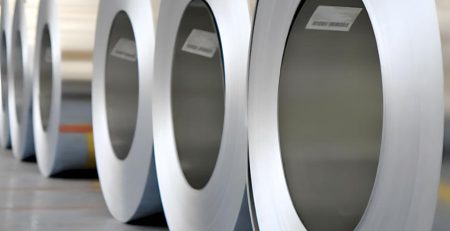
- Material Management is vital — from choosing the right steel coil specifications to ensuring proper stock levels and replacing punch tools before they wear out. One overlooked coil or a dull tool can compromise an entire job.
- Logistics Coordination is often underestimated. Panel transportation, staging, and on-time delivery directly affect construction schedules and site operations.
- Installation Teams on-site must work in sync with the factory. Proper sequencing and communication between production and field crews prevent bottlenecks and rework.
- A cold formed steel structure is only as strong as the weakest link in this chain.
You can have cutting-edge machines, but if any one part of the system fails — be it poor design files, material shortages, or an uncoordinated installation team — the entire operation suffers.
To thrive in this business, every component must work in harmony.
And that harmony begins with one essential foundation: strategic production planning. Without it, you’re reacting to problems. With it, you’re building with confidence and control.
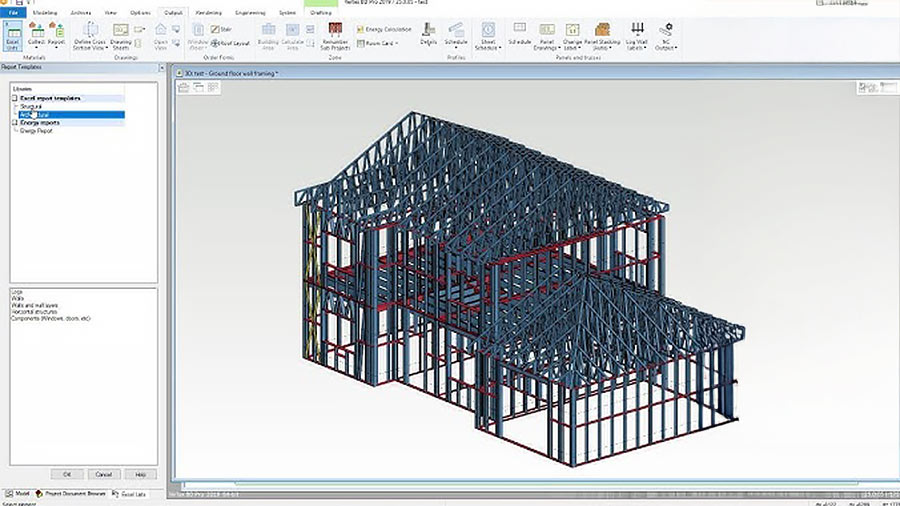
3. Design-Driven Efficiency: The Role of Software
Your design phase defines your success before a single piece of steel is even formed.
In light gauge steel framing system, the production quality you achieve downstream is a direct reflection of the clarity, precision, and structure of your upstream design process. If your design is flawed, incomplete, or incompatible, no machine—no matter how advanced—can compensate for it.
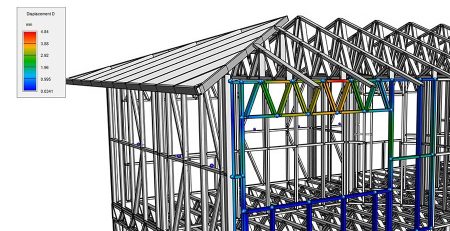
That’s why using professional BIM-based design software tailored specifically for LGSF, such as Vertex BD, Framebuilder MRD, or StrucSoft, is non-negotiable. These tools allow you to generate accurate 2D and 3D framing plans, simulate structural behavior, and most importantly, export machine-ready production files directly to your rollforming system.
This eliminates the need for manual data input, drastically reduces human error, shortens the feedback loop between design and production, and ensures consistency across all components being manufactured.
Skipping this step is like trying to build a house without a blueprint.
Even the most powerful cold formed steel machine will become inefficient — wasting material, producing incorrect parts, and ultimately causing costly delays.
- In contrast, a well-optimized design-to-machine workflow unlocks major advantages:
- Minimal material waste through accurate nesting and layout planning
- Significantly faster production cycles
- Precision in punching, dimpling, notching, and cutting
- Smooth and intuitive on-site assembly with clearly marked components
In LGSF, strategic planning begins with data.
And not just any data — we’re talking about clean, structured, and production-ready files that tell the machine exactly what to do, when to do it, and how to do it. The tighter your design-to-production pipeline is, the more control, quality, and profitability you’ll achieve.
4. Skilled Operators Make or Break the Machine
In light gauge steel framing system, your machinery may be equipped with the latest sensors, automation logic, and diagnostics — but at the end of the day, it still relies on human intelligence to reach peak performance. Your operators are not just button-pressers. They are the hands, eyes, and often the first line of defense for your entire production system.
Even a perfectly calibrated LGSF production line can suffer from unexpected errors, inefficiencies, or downtime if operators are undertrained, distracted, or disengaged. That’s why the most successful companies don’t just invest in machines — they invest in people.
Here’s what that looks like in practice:
- Machine-specific training programs that go beyond manuals and cover real-world problem-solving
- Routine simulation exercises to help teams stay sharp under pressure
- Punch and profile testing to verify component accuracy before full-scale production
- Emergency scenario drills to ensure fast, coordinated responses when something goes wrong
A highly skilled operator doesn’t just respond to problems — they anticipate them. They notice subtle changes in machine behavior, spot inconsistencies in coil feed or punch alignment, and propose process improvements that even engineers or supervisors might overlook.
In other words, your machine’s value is directly tied to the capability of the people running it.
Empowering your operators with knowledge, ownership, and trust isn’t just a nice-to-have — it’s a core part of any strategic production plan.
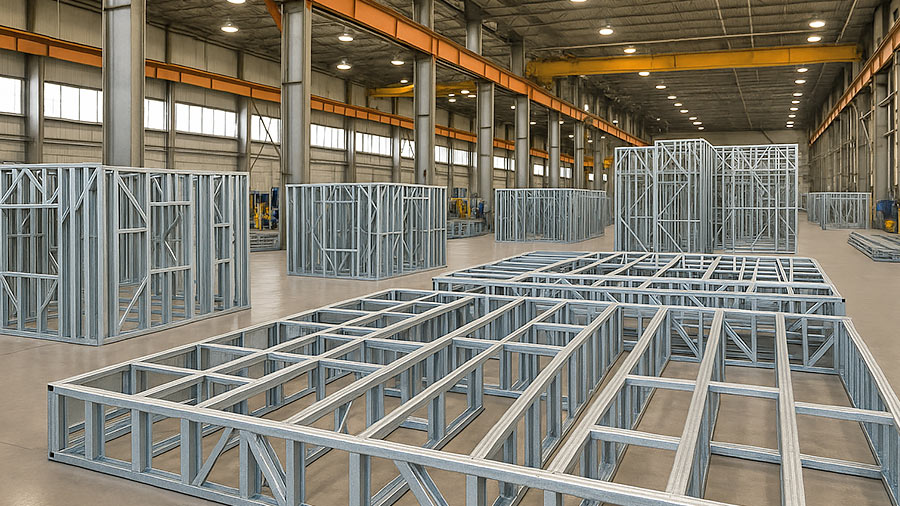
5. Punching Tools & Maintenance: The Invisible Costs
They focus heavily on machine capabilities, output speed, and automation — but completely overlook the silent killers of productivity: wear and tear.
Punching tools, forming rollers, and cutting blades are not eternal.
These are high-precision components working under constant stress, and like any mechanical part, they degrade over time. If you don’t account for this in your production planning, you’re not planning — you’re gambling.
That’s why strategic production planning must include:
- A preventive maintenance schedule aligned with real usage data, not guesswork
- Clear punch change procedures and tool calibration routines
- Readily available backup parts — either on-site or from a reliable supplier
Why is this so important? Because downtime kills margins.
Imagine you’re running a tight-schedule production for a modular school project. Dozens of prefabricated walls, all punched and notched to fit perfectly on-site. One punch tool breaks mid-batch. You don’t have a spare. Your technician isn’t trained on how to replace it. Suddenly, production stops.
Now you’re not just losing hours — you’re disrupting your entire supply chain:
- Delivery schedules shift
- On-site crews sit idle
- Installation gets delayed
- Client trust begins to erode
- And worst of all: contract penalties could follow
In the LGSF world, your steel framing system line must be as reliable as your project deadlines.
It’s not just about how fast you produce — it’s about how consistently you deliver, even when things go wrong.
Planning for wear and tear isn’t optional. It’s a core principle of sustainable, profitable steel framing production.
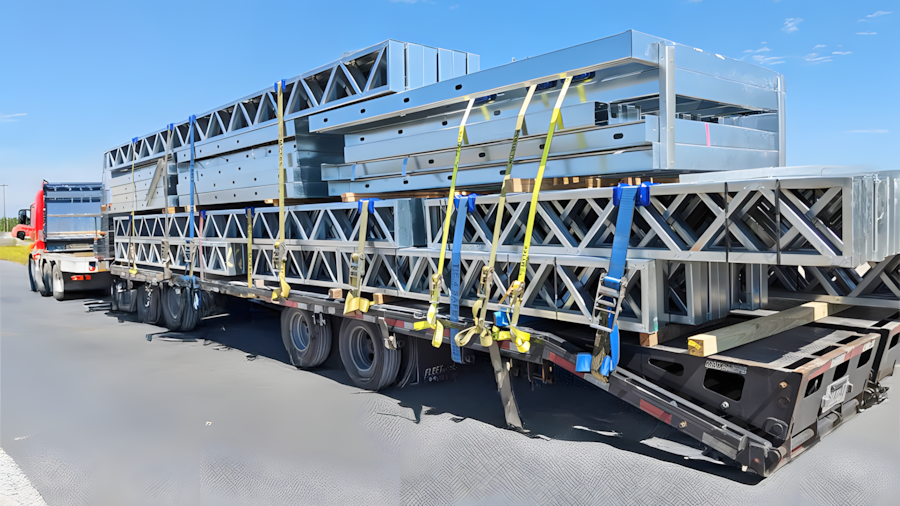
6. Logistics and Sequencing: Build the Right Panel at the Right Time
A steel framing system factory that produces everything at once might sound efficient, but it can be a nightmare when it comes to shipping and on-site installation. You don’t just need to build fast—you need to build in order.
Strategic production means:
- Creating a production schedule aligned with the on-site construction phases
- Labeling and organizing profiles/panels for logical installation
- Coordinating with transport teams to avoid storage overloads or delays
In the modular construction industry, timing is everything. A delayed wall panel might halt the progress of five different contractors waiting on-site. Smart planning eliminates such bottlenecks.
7. UNBAK Machinery: Empowering Smart Production with Smarter Steel Framing System
At UNBAK Machinery CO LTD, we’ve learned one crucial lesson over decades of manufacturing and installing cold formed steel framing machines globally: the real value comes not from selling machines but from enabling full production ecosystems.
Our ICARUS series—ranging from IC-1000Series to IC-5000Series — is designed to support:
- Seamless integration with top-tier design software
- Custom profile options with multiple dimple punches, notch types, swage cuts
- Remote diagnostics and service support
But we go further.
Our team helps clients with production workflow design, layout optimization, operator training, and strategic machine usage based on project types (tiny houses, disaster shelters, multi-story buildings, etc.). A UNBAK machine is not just a tool—it’s the engine behind an entire business model.
8. Case Study: Process-Driven vs Machine-Driven Companies
Let’s compare two LGSF companies:
🟥 Company A: Machine-First
- Bought a high-end steel framing system
- Skipped software training
- Relied on untrained operators
- Faced delays, errors, and customer complaints
🟩 Company B: Strategy-First
- Designed a detailed production plan
- Trained operators and assigned a production supervisor
- Implemented software → machine → logistics workflow
- Delivered projects on time and under budget
Guess which company stayed in business longer?
9. 5 Golden Rules for Strategic Success in Cold Formed Steel Production
- Don’t just buy the machine—master the process.
- Start with great design data, not guesswork.
- Train your operators like pilots, not button-pushers.
- Plan for logistics and on-site sequencing from Day 1.
Partner with manufacturers who care about your workflow, not just your purchase.
The Future Belongs to the Strategic Thinkers
As the light gauge steel framing (Steel Framing Machine – LGSF) industry continues to expand rapidly worldwide—especially in sectors like affordable housing, disaster response, and modular construction—competition is no longer a future concern. It’s already here.
And in this new landscape, success won’t belong to those who simply invest in the most high-tech equipment. It will belong to those who understand how to turn that equipment into results.
The real winners will be the companies that master the entire journey: from raw steel coil to perfectly installed structures on the job site.
They will be the ones who combine precision engineering with strategic planning, who empower their teams, and who build systems—not just products.
If you want to thrive in this space, stop thinking only about the machine.
Start thinking about the bigger picture:
Think strategy. Think people. Think workflow. Get those right—and the profits will follow naturally.
Step-by-Step Guide to the Construction of Light Gauge Steel Structures: Click
Sound and Thermal Insulation in Light Gauge Steel Structures: Click
UNBAK Youtube Video List: Click




Leave a Reply